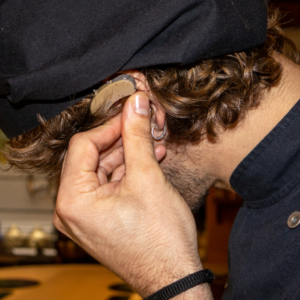

Modern hearing aids aim to effectively treat your individual hearing loss profile. Irrespective of whether you are new to prescription hearing aids or are a veteran wearer, if your hearing aids produce headaches or lingering aches, a clear fix is available. A fully optimized hearing aid fits effortlessly inside your ear and delivers the exact volume boosts your individual condition demands. Should this fail to occur, you must verify that you possess the correct style of hearing aid and that a qualified hearing instrument specialist adjusted it.
Indicators that your hearing aid requires professional adjustment
If your hearing aids are not properly fitted, hearing aids cause headaches, are not being used correctly, or haven’t been adjusted for a long time, the following issues may arise:
Compromised Audio Quality. Hearing aids that are poorly tuned often exaggerate loud sounds, yielding high-pitched screeching that causes significant discomfort and ear irritation. Hearing aids in this condition can also make low-intensity sounds inaudible.
Feedback Noise. Your hearing aid may pick up and amplify background noise, such as wind, which can result in annoying, high-pitched feedback sounds.
Headaches Combined with Tinnitus. Hearing aids capturing ambient noise and boosting it beyond natural thresholds can hurt your ears while causing headaches and buzzing tinnitus. These symptoms frequently develop in hearing aids with internal acoustic limits that are set far too high.
What to Know About Over-the-Counter Hearing Aids
Even though non-prescription over-the-counter hearing aids—frequently dubbed personal sound amplifiers—are easy to buy and cheaper than medical-grade hearing aids, they fail to adapt to your individualized hearing loss requirements.
Correcting hearing difficulties calls for a complex approach beyond simply making audio louder. Numerous instances of hearing loss involve individuals losing sensitivity to specific sound frequencies. Internal hearing aid controls must be calibrated to ensure the wearer maintains clear comprehension across diverse settings.
Why Professional Hearing Aid Calibration Matters
An effective approach to verifying correct device alignment is securing services from a dedicated hearing instrument specialist to fit your custom hearing aid. Molds can be taken of your ear and used to fashion a custom-fitted hearing aid device. Following this protocol prevents physical discomfort and hearing aids that cause headaches. When the physical device rests comfortably, your hearing instrument specialist will adjust the programmatic hearing aid settings to help you filter out background noise from desired conversation.
Ideally, your hearing aid will execute seamless automatic recalibrations, helping you process ambient noise in diverse environments without auditory clashes. Optimizing these settings often calls for several brief visits to your hearing instrument specialist until your hearing aid syncs with your everyday life. When dealing with profound hearing loss, your clinician will make adjustments to your hearing aid in gradual phases to give your neurological system time to adapt to amplified audio.