Hearing Health Tips

The New River Valley’s Comprehensive Audiology Service Provider

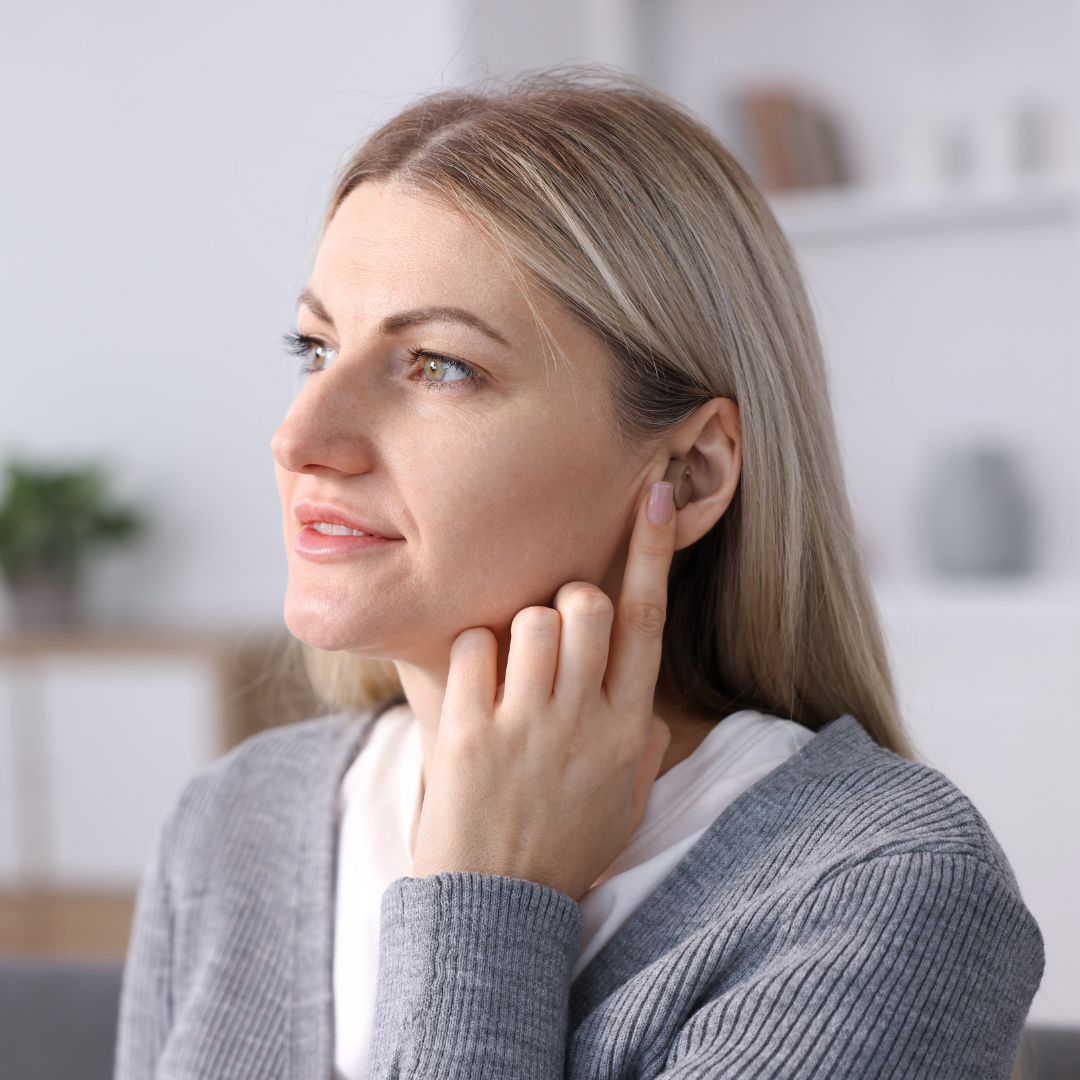
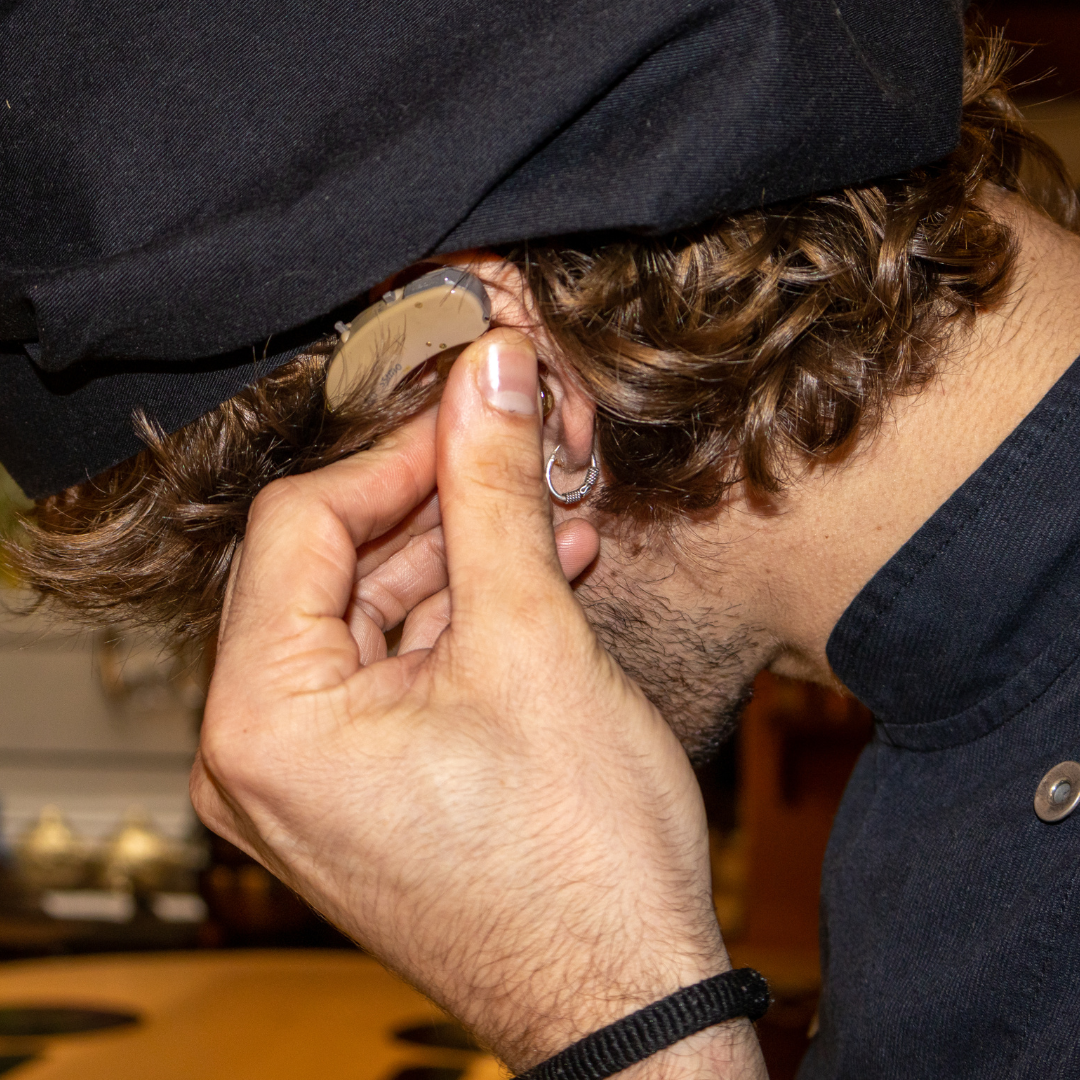
Stopping Hearing Aid Whistling: Causes, Solutions, and Clinical Care

Sharp whistling sounds produced by a hearing aid often occur unexpectedly, creating profound frustration and distraction when ignored. Our audiology providers can pinpoint whether the feedback sound results from earmold sizing, impacted earwax, volume settings, worn-out parts, or an internal malfunction. Review common feedback mechanisms alongside safe at-home maintenance steps to eliminate basic sound leaks

Understanding Difficulty Hearing in Restaurants and Finding Real Relief

Maintaining dinner dialogue proves demanding when chaotic ambient noise strains your concentration and hearing. We perform comprehensive diagnostic assessments to evaluate hearing in quiet rooms and challenging acoustic spaces to identify functional deficits. Once the diagnostic etiology of your difficult hearing is established, we implement personalized clinical and technological strategies. Understanding the Contrast Between Quiet

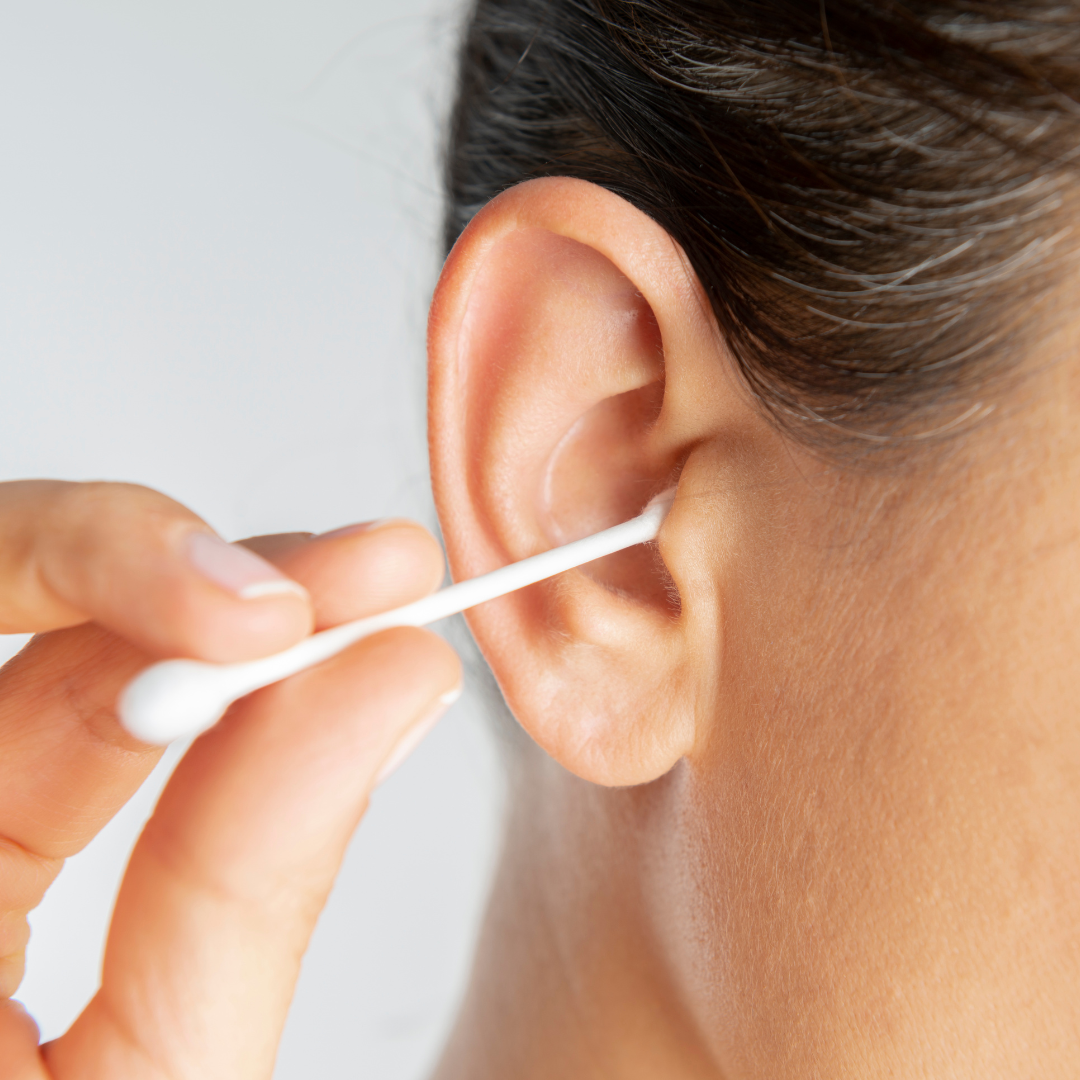
Are Q-Tips Bad for Your Ears? Safe Ways to Remove Earwax

Although cotton swabs feel like accessible ear-care tools, introducing them into the canal hinders self-cleaning mechanisms and may harm your hearing. We perform thorough examinations to verify if earwax removal is necessary and select appropriate procedures for your ear condition. Ears don’t always need manual cleaning; however, if wax builds up, we can help patients

Experiencing Vertigo When Lying Down: Demystifying BPPV

Feeling as though the room spins when you lie down, roll over, or sit up can be alarming, especially when the sensation appears without warning. Vestibular specialists provide advanced balance evaluations to confirm if benign paroxysmal positional vertigo (BPPV) is the root cause. Knowledgeable clinicians outline the mechanical causes of positional vertigo and apply specialized

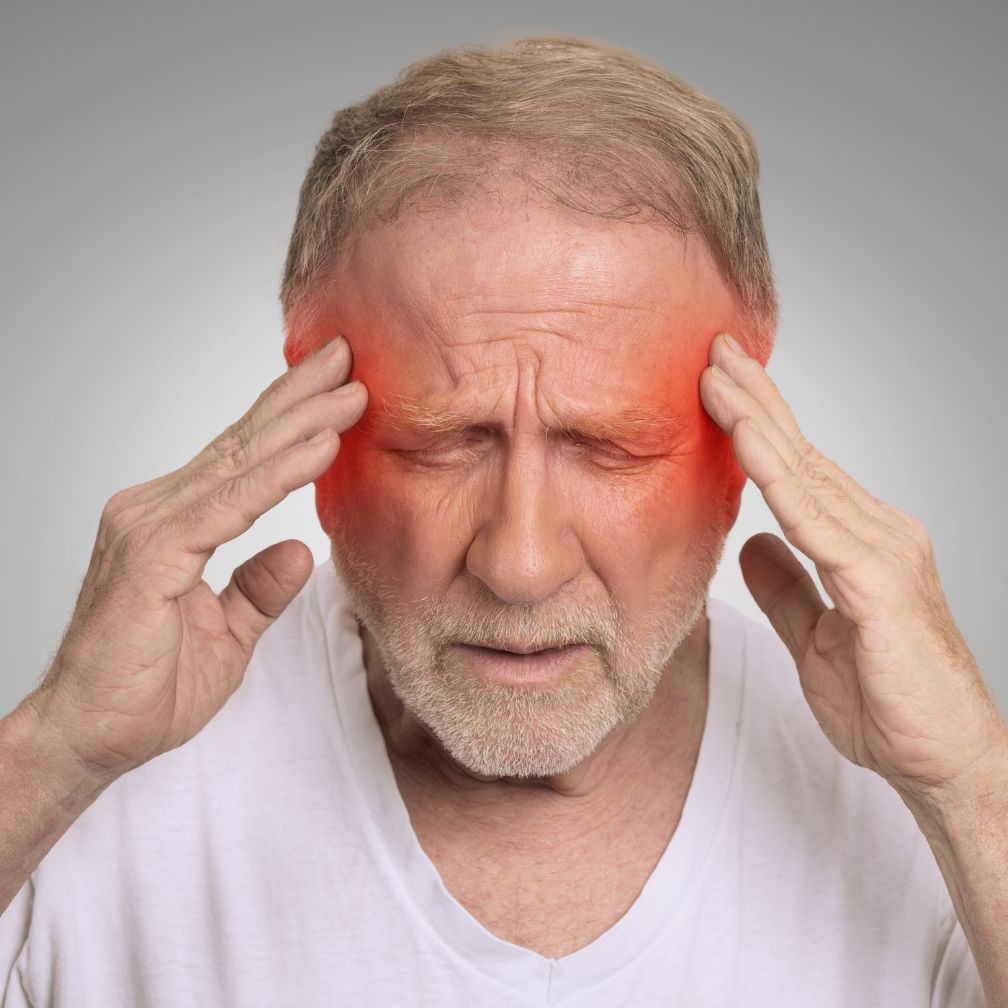
Why Am I Experiencing Headaches From My Hearing Aids?

Modern hearing aids aim to effectively treat your individual hearing loss profile. Irrespective of whether you are new to prescription hearing aids or are a veteran wearer, if your hearing aids produce headaches or lingering aches, a clear fix is available. A fully optimized hearing aid fits effortlessly inside your ear and delivers the exact

My Baby Failed the Hearing Test: What Happens Next?

For mothers and fathers of newborns, getting a diagnosis of early auditory impairment brings considerable anxiety and dread. The reassuring truth is that by applying prompt testing and therapeutic help, young children with hearing deficits are able to excel. Remarkably, such young children can gain language proficiency, interpersonal traits, and lasting relationships in their community,

Analyzing the Emotional Impact: Does Auditory Decline Cause Mental Health Struggles?

Auditory decline is far more than a simple bodily issue; it stands as a profound internal hurdle that gradually alters how a person navigates daily life. Though compromised hearing is typically recognized for causing sound confusion, the secondary mental and personal consequences are far less visible yet are equally devastating. Ranging from immediate frustration to

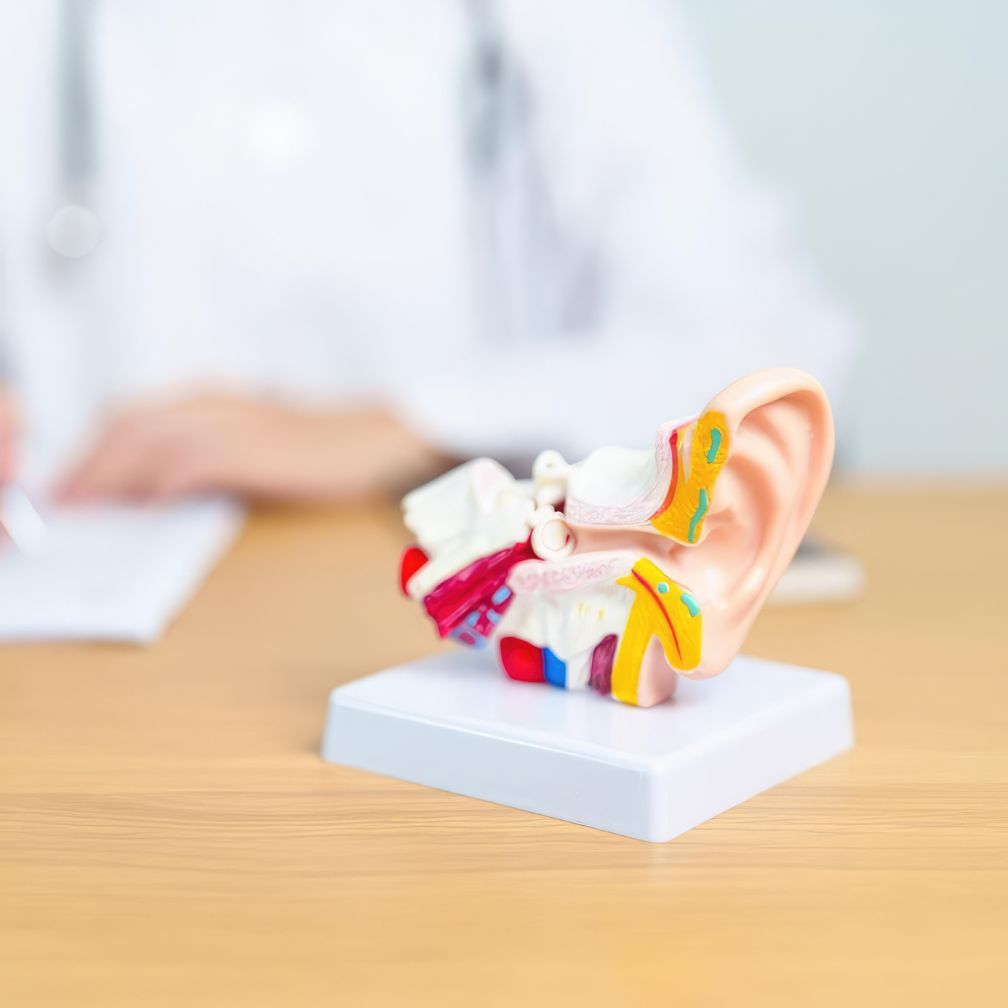
How Your Unique Outer Ear Anatomy Shapes Your Daily Hearing Experience

It is a well-documented biological fact that dogs with long, floppy ears do not capture directional sound waves as efficiently as pointed-ear breeds. It’s probably not surprising to learn that cats, dogs, and hamsters have the ability to adjust the direction of their ears to enhance their ability to pick up sounds from the front,

Is Your Automobile Damaging Your Auditory Health? Car Noise and Hearing Loss Risk

There is no denying your passion for your automobile. While you would never surrender the absolute sense of freedom experienced behind the wheel, it is vital to consider whether your car is actively degrading your hearing mechanisms. Let’s look closely at how modern transit modes provoke vehicle-related hearing loss, while introducing straightforward habits to reverse

Modern hearing aids.

Modern Hearing Aids Don’t Look (Or Feel) Like Your Grandparents’ Devices 

Many people delay getting hearing aids because they don’t think they’ll like how they look or feel. And that’s completely understandable! For years, hearing aids were large, noticeable, and often negatively associated with getting old. In some cases, people even worried that they might be left out of conversation altogether by others who assumed they wouldn’t be able to hear