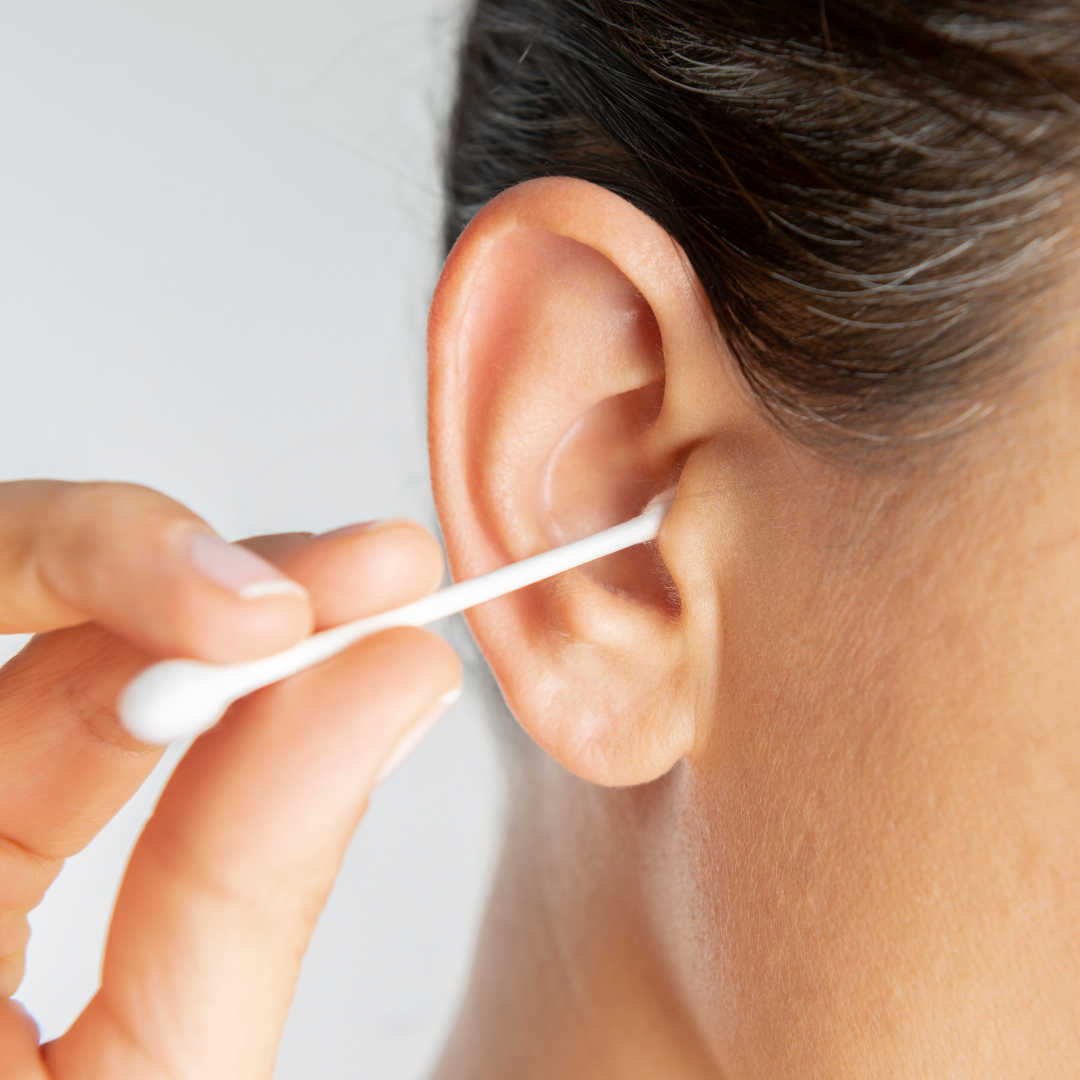
Although cotton swabs feel like accessible ear-care tools, introducing them into the canal hinders self-cleaning mechanisms and may harm your hearing. We perform thorough examinations to verify if earwax removal is necessary and select appropriate procedures for your ear condition. Ears don’t always need manual cleaning; however, if wax builds up, we can help patients safely remove excess wax.
Clinical Reasons Why Q-Tips Damage the Ear Canal
Human earwax, formally designated as cerumen, is a functional secretion rather than unwanted dirt. It traps dust and debris, helps limit bacterial growth, lubricates the ear canal, and protects its sensitive skin. Normal jaw articulation and progressive skin turnover transport old cerumen toward the external ear opening, where it naturally detaches.
Inserting a cotton swab directly into the auditory canal interferes with this natural clearance mechanism. While the fibrous tip might extract superficial wax particles, it predominantly forces deeper accumulations toward the tympanic membrane. Ongoing cotton swab use regularly condenses wax into a solid obstruction, causing a congested feeling that drives repetitive cleaning attempts.
Swabs can be safely applied along the outer ear cartilage, but they should never be inserted past the canal aperture.
Types of Ear Injuries Caused by Cotton Swabs
Canal skin is thin, vascular, and highly vulnerable to mechanical abrasions. Small abrasions can cause pain or bleeding and create an opening for bacteria, increasing the risk of an outer-ear infection. The cotton end can also dislodge from the applicator, creating a retained foreign body within the ear.
Common mechanical traumas from swabs include:
- Severe earwax impaction near the tympanic membrane
- Skin abrasions, tissue swelling, severe irritation, and active bleeding
- Bacterial or fungal ear canal infection
- Retained cotton tips or foreign debris inside the canal
- Traumatic puncture or laceration of the eardrum
- Damage to the tiny acoustic middle-ear bones
- Sudden alterations in auditory acuity or permanent hearing changes
- Persistent tinnitus, balance instability, or severe otalgia
Severe injuries are infrequent yet emerge readily if an arm is bumped, the swab slips, or the stick is driven too far.
Establishing Safe Intervals for Earwax Extraction
Most individuals do not need to perform earwax maintenance on a calendar schedule. Healthy ears continually move wax outward, and routine bathing usually cleans the visible outer ear. Aggressive hygiene removes protective lubricants, provokes skin inflammation, and heightens the likelihood of infection or cerumen buildup.
Professional removal is necessary when wax obstructs the canal, obscures our view of the tympanic membrane, hinders a hearing aid, or creates physical symptoms.
Clinical Guidance for Safe At-Home Cerumen Care
In the absence of earwax symptoms, allowing natural physiological clearance is universally the safest strategy. Wipe only the outer ear with a soft, damp cloth, and let the canal clean itself.
Should cerumen require breakdown, our team may recommend commercial cerumen-removal drops or formulas featuring saline, mineral oil, glycerin, or carbamide peroxide. Follow the package directions meticulously regarding droplet quantity and consecutive days of use. Cease use at once if you experience localized pain, acute vertigo, cutaneous rash, or intensifying discomfort.
At-home ear irrigation is not universally safe and requires clinical clearance and technique demonstration from an audiology professional beforehand. Absolutely avoid using high-velocity dental water jets inside your auditory canal. Reject risky methods such as ear candling, rigid metal scoops, camera-guided probes, hairpins, and home suction gadgets. Such unapproved devices easily burn canal walls, cut fragile skin, puncture the eardrum, or drive cerumen deeper.
When Should I See a Doctor for Earwax Removal?
Make an appointment when the ear remains obstructed after using softening drops, wax is tightly packed, or home methods prove unsuccessful. Professional removal is also preferable when a person cannot safely hold still, has a narrow ear canal, uses hearing aids, or has medical or surgical factors that make drops or irrigation risky.
Seek an examination for:
- Sharp ear pain, chronic itching sensations, or localized tenderness
- Visible blood, purulent discharge, clear fluid drainage, or offensive ear odors
- Systemic fever or noticeable swelling around the auricle
- The sudden appearance of tinnitus or true dizziness
- Sudden reduction in hearing or auditory loss that persists after wax extraction
- Concern regarding a perforated eardrum or foreign cotton debris
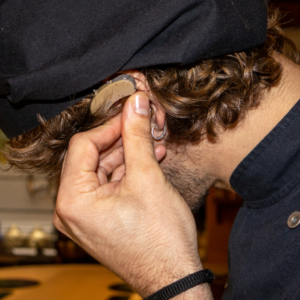
- Repeated wax accumulation that impairs prescription hearing devices
Regard sudden unilateral hearing loss as a time-sensitive medical emergency instead of presuming it is earwax. Early hearing testing easily separates a physical wax impaction from a critical inner ear condition.
Clinical Methods for Safe Earwax Extraction
We first examine the canal with an otoscope or microscope to confirm that wax is present and look for infection, injury, or an eardrum perforation. Choosing the safest clinical protocol relies on cerumen firmness, individual canal anatomy, medical records, otologic surgical history, and patient tolerance.
Safe audiological extraction methods include:
- Medical-grade wax softeners administered prior to or during the procedure
- Controlled ear flushing using warm, body-temperature water on intact eardrums
- Safe, gentle suction extraction executed under direct microscopic guidance
- Mechanical extraction using sterile ear loops, specialized curettes, or micro-forceps
Direct visualization allows the clinician to work around sensitive canal skin and stop if discomfort occurs. Resolving highly compacted or dry earwax often involves integrating multiple clinical removal techniques. Once the wax is cleared, we reexamine the ear to ensure the auditory canal and eardrum remain completely healthy. When symptoms like fullness, tinnitus, vertigo, or hearing loss continue, supplementary audiological assessments can uncover alternate conditions.
Contact Us for Safe Professional Earwax Removal
Should you experience aural fullness or sudden hearing shifts, arrange a clinical evaluation with our office instead of relying on cotton swabs. Your scheduled visit includes reviewing active symptoms, past ear procedures, hearing aid status, home management methods, and individual risk factors for cerumen impaction. Contact us to request an earwax-removal appointment.