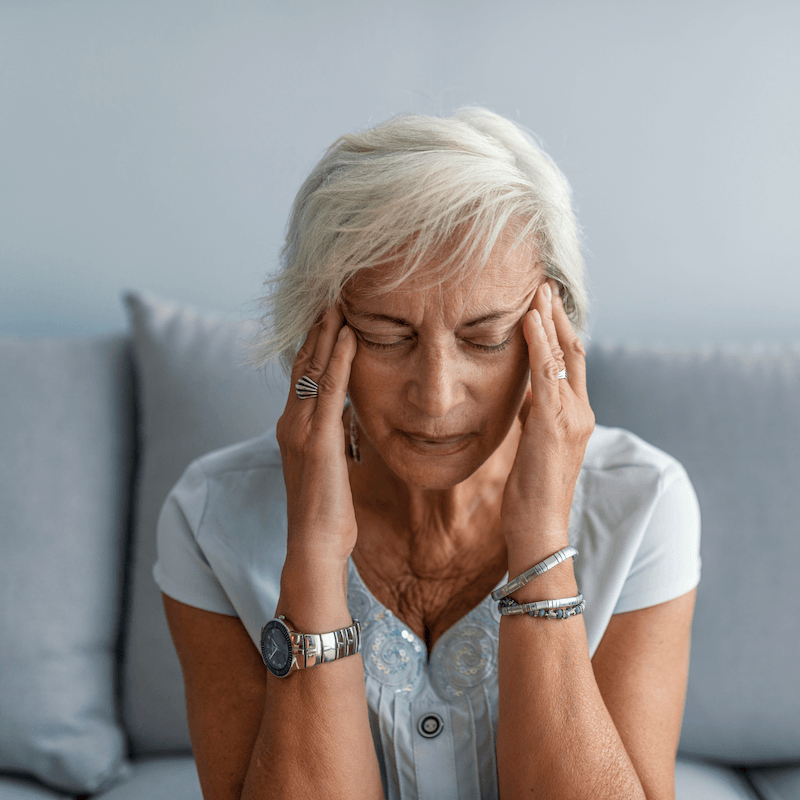
Migraines don’t always present as severe headaches; in fact, a vestibular migraine mainly affects balance, motion perception, and spatial orientation. At our ENT clinic, we investigate recurring dizzy spells to verify whether vestibular migraine or a distinct balance pathology is driving symptoms. To achieve successful migraine treatment, patients must understand their symptom patterns and report them accurately to their medical provider.
Understanding the Clinical Differences Between Vestibular and Regular Migraines
Vestibular migraine and regular migraine share identical disease mechanisms, but their most prominent physical symptoms vary significantly. A typical migraine attack often centers on moderate to severe head pain that may be one-sided, pulsating, and aggravated by normal activity. Concurrent symptoms routinely include autonomic nausea, photophobia, phonophobia, and transient focal neurological aura.
Vestibular migraine primarily causes vertigo, dizziness, imbalance, or sensitivity to motion. While head pain may coincide with an episode, a headache is not clinically required for each vestibular attack. Attacks may involve a false sense that the person or room is moving, dizziness triggered by head motion, or discomfort in visually busy environments.
Qualifying vestibular episodes generally last from five minutes to 72 hours. Symptoms often vary in nature and intensity between separate attacks, obscuring the relationship to migraine compared to straightforward headaches.
What Mechanisms Drive Vestibular Migraine?
No single disorder is known to cause vestibular migraine. The clinical phenomenon involves shared brainstem and cortical pathways that process migraine pain alongside balance inputs. A familial or personal history of classic migraine, alongside persistent motion sickness, frequently predisposes patients to vestibular migraine.
Clinical episodes are frequently provoked by:
- Inconsistent sleep schedules, insomnia, or poor sleep hygiene
- Inconsistent meal timing, caloric restriction, or insufficient water intake
- High emotional stress levels or post-stress relaxation periods (“weekend migraine”)
- Catamenial hormonal fluctuations, menstruation, or perimenopause
- Bright, flashing, or visually complex surroundings
- Prolonged travel, turbulent physical motion, or rapid digital screen scrolling
- Alcohol intake, fermented foods, cured meats, or idiosyncratic dietary sensitivities
- Atmospheric pressure changes, weather fluctuations, or overwhelming sensory stimulation
What Are the Symptoms of Vestibular vs. Regular Migraines?
Classical migraine attacks are readily identified by head pain, but neurological symptoms often extend well beyond local cephalalgia. Patients routinely report nausea, emesis, scintillating visual aura, profound fatigue, cognitive slowing, cervical stiffness, and sensory sensitivities.
Patients with vestibular migraine frequently report:
- True rotational vertigo or generalized non-rotational movement illusions
- Unsteadiness or loss of balance
- Dizziness triggered or aggravated by rapid head turns or tilting
- Motion-induced nausea, motion intolerance, and gastrointestinal upset
- Visual vertigo elicited by moving digital screens, pedestrian crowds, vehicle traffic, or optical patterns
- Dysperceptions of motion such as internal rocking, floor tilting, floating, or gravitational pulling
- Photophobia, sound intolerance, and pronounced optical hypersensitivity
- Diffuse head pressure, orbital tension, or characteristic throbbing migraine pain
- Transient aural fullness, ear pressure, or acute tinnitus
Clinical chronicity, attack longevity, and identifiable triggers assist in separating vestibular migraine from alternative vestibular diseases. Any acute onset of dizziness accompanied by motor weakness, sensory numbness, dysarthria, diplopia, syncope, or profound ataxia requires emergency medical evaluation.
The Coexistence of Vestibular Migraine and Typical Migraine Episodes
Yes, clinical overlap is common. Vertigo and acute migraine cephalalgia can manifest simultaneously during a single attack. The vestibular symptoms can start ahead of the head pain, surface during the headache phase, outlast the cephalalgia, or arise independently. Over time, patients may see their symptoms fluctuate between traditional headache attacks and balance-dominant episodes.
A vestibular episode does not need to include headache to be related to migraine. Using a detailed symptom diary can highlight critical physiological associations that prove difficult to remember weeks later. Log the duration of balance loss, headache features, sensory symptoms, menstrual cycles, sleep schedules, food intake, suspected triggers, and medication effectiveness. Having this documented history enables your clinician to formulate a significantly more accurate diagnosis.
How Can a Doctor Diagnose the Cause of Vestibular Migraines?
No standalone blood test, neuroimaging scan, or specialized vestibular test can independently prove vestibular migraine. Diagnosis begins with a detailed description of the episodes and a history of migraine with or without aura. Accepted diagnostic standards mandate documenting at least five moderate to severe vestibular attacks of five minutes to 72 hours duration, with migraine features accompanying at least half.
We conduct extensive examinations encompassing cranial nerve screening, videonystagmography eye-movement analysis, otoscopic checks, hearing tests, and balance metrics. Depending on the symptoms, testing may include an audiogram, positional testing, vestibular studies, or imaging. These tests help identify or rule out conditions that can cause similar dizziness. Vestibular migraine is diagnosed solely when the symptom pattern satisfies consensus criteria and another etiology cannot better account for the condition.
Evidence-Based Treatments for Vestibular Migraine
Clinical treatment is tailored to the individual, taking into account episode frequency, symptom severity, headache presence, coexisting health conditions, and drug tolerances. Many people benefit from combining daily prevention with a plan for managing acute episodes.
Our clinical team formulates a personalized care program that can include:
- Establishing structured daily routines for sleep, timely meals, fluid intake, and low-impact cardiovascular exercise
- Isolating and minimizing contact with consistent environmental or dietary triggers
- Integrating mindfulness, cognitive behavioral therapy, or structured stress-reduction techniques
- Administering prescription antiemetics or targeted acute symptom medications
- Conservative, short-term application of prescription vestibular suppressants for acute episodes
- Prophylactic pharmaceuticals including beta-blockers, calcium channel antagonists, topiramate, selected SNRIs/tricyclics, or CGRP antagonists
- Dedicated vestibular rehabilitation therapy for managing long-term motion sensitivity, visual vertigo, and imbalance
Prescription vestibular suppressants must be used with caution, as continuous dosing induces significant sedation and inhibits central vestibular compensation. Medication strategies must be tailored with your physician rather than adapted from friends or family members with migraines. Improvement may require gradual dose adjustments and tracking symptoms over time.
Contact Us for a Comprehensive Vestibular Migraine Evaluation
If recurring dizzy spells, motion sensitivity, or balance deficits disrupt your daily comfort, contact our practice to schedule a comprehensive evaluation. We begin your evaluation with a detailed review of migraine patterns, systemic health, and recovery targets, conducting specialized tests to distinguish vestibular migraine from BPPV, Ménière’s disease, and related vestibular issues. Get in touch with our ENT clinic now to request your vestibular migraine appointment.