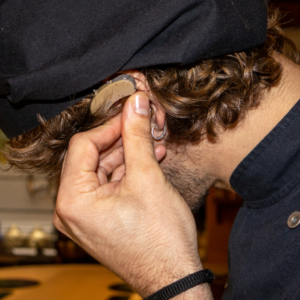

Auditory decline is far more than a simple bodily issue; it stands as a profound internal hurdle that gradually alters how a person navigates daily life. Though compromised hearing is typically recognized for causing sound confusion, the secondary mental and personal consequences are far less visible yet are equally devastating. Ranging from immediate frustration to lasting personal retreat, unaddressed hearing loss routinely fosters severe mental health challenges that undermine vitality.
How Untreated Auditory Loss Spurs Silent Social Retreat among Impacted Patients
Within our modern interconnected society, continuous social engagement is fundamental to personal happiness and life satisfaction. Regrettably, for adults facing hearing challenges, standard dialogues in restaurants, at family gatherings, or during workplace meetings quickly transform into exhausting and embarrassing ordeals.
Instead of repeatedly requesting clarification or faking comprehension, many sufferers slowly step away from public engagements. Such isolation is rarely driven by an inherent wish for loneliness; it operates as an automatic defense mechanism against listening fatigue. Unfortunately, avoiding social situations often creates a downward spiral of deep, lasting isolation, depriving individuals of emotional connection and mental stimulation.
How Ignoring Auditory Decline Compromises Mental Wellbeing and Emotional Balance
Living with hearing loss means far more than missing everyday sounds and signals; it often means feeling disconnected from life. The secondary emotional repercussions caused by this condition are often expansive and severe throughout long-term mental well-being.
Unmanaged Hearing Impairments and Related Stressors Rapidly Accelerate Severe Depressive Outcomes
Medical research demonstrates that adults living with unmanaged hearing deficits show an increased likelihood of major depressive episodes. The daily strain of attempting to communicate alongside the perception of social abandonment creates deep-seated emotional suffering. Emotional gloom, powerlessness, and reduced confidence frequently take hold, especially when people feel ousted from meaningful dialogue.
In the most critical instances, unmanaged depression will often spiral into profound despair, underscoring the necessity of comprehensive treatment.
Auditory Insecurity and Nervous System Stress Regularly Intensify Ongoing Mental Fatigue
Countless people with compromised hearing live surrounded by persistent apprehension, anxiously anticipating whether they can follow discussions, handle phone communications, or recognize public warnings. Such continuous tension often manifests through physiological reactions like tachycardia, unexpected sweating, and persistent sleep deprivation. Over extended periods, this chronic fear can completely paralyze an individual, directly degrading professional performance, interpersonal harmony, and general independence.
Auditory-Driven Memory Loss from Brain Strain Directly Reinforces the Biological Mechanisms of Long-Term Neurological Aging
While hearing deficits do not explicitly initiate conditions like dementia, numerous studies suggest a strong association between untreated hearing impairment and cognitive deterioration. Whenever the brain exerts excessive effort decoding garbled sound waves, cognitive resources are diverted from everyday intellectual duties. Furthermore, a deficit of sound processing can diminish stimulation to certain parts of the brain, potentially accelerating cognitive aging.
Breaking the Cycle: Improving Emotional Wellness via Comprehensive Auditory Care
While the mental strain caused by auditory impairment is devastating, it stays remarkably reversible. Through actively seeking effective auditory care, individuals can restore their emotional vitality and retrieve a lively, engaging interpersonal routine.
Stimulating Cognitive Function: Why Modern Hearing Aids Are Vital for Psychological Health
Modern sound-amplification devices offer results far exceeding basic volume enhancement; they restore personal belief, facilitate social interactions, and break the cycle of emotional retreat. By giving wearers the capacity to excel in everyday dialogue and social environments they once dreaded, hearing aids directly reduce signs of persistent mental strain.
Shielding the Mind – the Neurological Benefit of Prompt Hearing Care Demonstrates the Necessity of Timely Auditory Support:
Promptly managing hearing impairment offers essential, enduring mental safeguards. Managing auditory deficits promptly allows patients to protect their cognitive clarity and reduce the probability of suffering from debilitating memory decline. Delivering consistent sensory input to the hearing pathways assists in preserving crucial synaptic links, keeping cognition active and emotionally resilient.
Avoid Facing Auditory Decline Alone — Actively Safeguard Your Auditory and Mental Well-Being
Downplaying the psychological fallout linked to unmanaged hearing impairment is a critical error. Should you or a loved one exhibit noticeable auditory difficulty, like asking people to amplify their voice or foregoing hobbies, getting input from a hearing professional is vital.
Intervening against hearing decline early does not just repair communication channels; it safeguards enduring mental stability and emotional peace. With advanced auditory aids and professional medical direction, it is entirely possible to reconnect with your community, restore personal self-esteem, and enjoy life completely once again.